Published May 12, 2021 02:05PM
How to Thrive on a Vegan Diet
Whether you already follow a plant-based diet or you’re thinking of making the vegan transition to vegan, here’s how to feel your best and avoid common nutrient deficiencies such as vitamin B12 and iron.
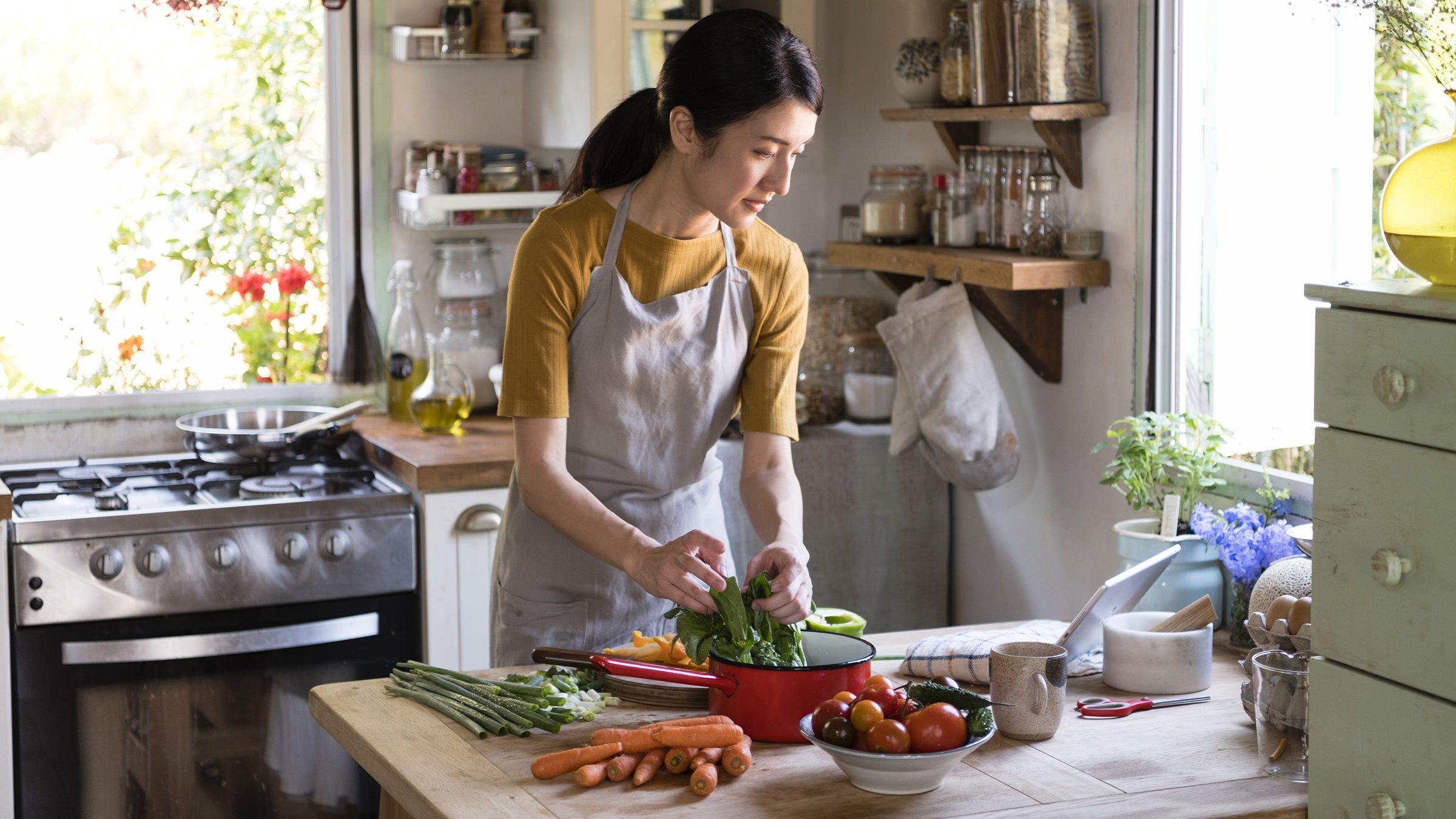
Dozens of studies have borne out the benefits of a plant-based diet. But being vegan is a little more complicated than just kicking milk and meat. If you’re ready to join the ranks of people who eat only plants, read on for pros, cons, and important things to consider:
Vegan Diet Pros
It’s better for your health. Many years of research suggest that the longest-living populations eat less meat, not more. A higher consumption of meat, especially red meat, is linked with a greater risk of heart disease, cancer, stroke, neurodegenerative disorders, and all-cause mortality. A plant-based diet, by contrast, is naturally high in protective antioxidants and fiber, and lower in saturated fat. And studies suggest going vegan can significantly increase longevity and quality of life.
But a vegan diet isn’t automatically healthy. Meat and dairy substitutes tend to be high in fat and sodium, and packaged vegan snacks may be loaded with sugar, refined grains, and unhealthy fats. Stick to whole fruits, vegetables, legumes, healthy fats, whole grains, nuts, and seeds, and use processed foods as an occasional treat—not the mainstay of your daily diet.
ADVERTISEMENT
It’s better for the environment. Conventional livestock farming contributes to deforestation, acid rain, water pollution, soil degradation, and greenhouse gas emissions. Also, raising animals for food uses a lot of water.
But a vegan diet isn’t always green. Tree nuts, such as almonds, cashews, and walnuts, are also water-intensive, with one study suggesting that the average almond requires 12 liters of water to produce. Avocados, mangos, and plums also suck up huge quantities of water. Cocoa is a major contributor to tropical deforestation and biodiversity loss. And out-of-season berries, asparagus, and other produce imported by air have a significant carbon footprint. So if sustainability is a driving factor in your shift to veganism, minimize those out-of-season blueberries, high-impact imports, and thirsty tree nuts.
It helps promote weight loss. A vegan diet composed of whole, unprocessed plant foods is naturally lower in calories and can lead to weight loss. Fruits, vegetables, grains, and legumes are also lower in fat than animal products, and their high fiber content nourishes beneficial gut bacteria, which have been linked with reductions in body weight and improved body mass composition.
But the sometimes-restrictive nature of a vegan diet can backfire, and those new to a plant-based regimen may turn to processed meat and dairy substitutes and sugary vegan snacks to fill the void—which, of course, ultimately leads to weight gain. And vegan offerings in restaurants are often higher in added fat and sodium than their meaty counterparts.
ADVERTISEMENT
If losing weight is your goal, focus on whole foods, choose clean vegan options in restaurants, and prepare foods at home as often as possible. And transition slowly—a gradual shift can lead to longer-term results.
Vegan Diet Cons
It’s low in calcium. It’s true that dairy is a concentrated source of bone-building calcium, but plenty of vegan options are high in this vital nutrient. A cup of cooked collards or spinach and half a cup of tofu will get you more than halfway to your daily needs. Add a cup of beans and a handful of chia, and you’re there. Plus, plants are rich in magnesium, vitamin K, and other nutrients that play a crucial role in bone health.
The bottom line: Most research suggests that a well-planned vegan diet doesn’t increase osteoporosis risk and, in some cases, can be protective against bone loss.
It’s missing important micronutrients. There are a handful of nutrients that are nearly impossible to get from plants. Some of the most crucial:
- Vitamin B12 is found in meaningful quantities only in animal products. Some vegan foods, such as blue-green algae and mushrooms, are said to contain B12, but it’s in a form that’s inactive in the human body. If you follow a strict vegan diet, cover your bases with a B12 supplement. Choose the “methylcobalamin” form for better absorption.
- Omega-3 fats. Walnuts, flaxseed, and chia seeds are high in omega-3s, but they occur as ALA (alpha-linolenic acid), a form that must first be converted by the body into DHA and EPA. The problem: as little as 5 percent of ALA is converted to EPA, and less than 0.5 percent is converted to DHA. Cover your bases with a vegan-friendly omega-3 supplement made from algae.
- Iron. Spinach, beet greens, and other plant foods contain plenty of iron, but it occurs as non-heme iron, a form that’s less efficiently absorbed by the body. Plus, phytic acid, a compound found in grains, legumes, and nuts, actually blocks the absorption of iron, making matters worse. Soak or sprout grains, nuts, and legumes to reduce phytic acid, and eat iron-rich plant foods with vitamin C to improve absorption.
Or take a vegan-friendly iron supplement if your diet is lacking.
It can be tricky to get enough protein. Yes, and no. As plant-based diets grow in popularity, an abundance of new protein alternatives is hitting the market. Trendy new ingredients such as jackfruit “chicken,” banana blossom “fish,” and mung bean “eggs” are replacing soy, and plant-based protein powders are an easy way to amp up your intake.
However, some faux sausages, fake cheeses, and bleeding burgers are über-processed and contain iffy ingredients. Plain old beans are still the cleanest, cheapest source of vegan protein. Plus they’re loaded with nutrients and crazy high in fiber.
ADVERTISEMENT
One problem: beans can cause significant digestive discomfort. Legumes are high in FODMAPs, poorly absorbed carbohydrates that can ferment in the gut and lead to bloating, gas, stomach pain, diarrhea, and constipation. And legumes contain so-called anti-nutrients that can impede protein absorption, irritate the gut, and interfere with the body’s uptake of important minerals such as calcium and zinc.
To get the most out of your legumes, soak beans and lentils overnight to deactivate some of the troublesome compounds, and cook them thoroughly. Fermenting and sprouting can also reduce anti-nutrients. And, if you’re sensitive to FODMAPs, stick to chickpeas, lentils, and peas.
Related:
From Better Nutrition