Published March 2, 2022 02:30PM
Originally posted onBetter Nutrition
How to Reduce Plastic Use in Your Daily Life – Even If You're Not Sure Where to Start
Author and activist Sandra Ann Harris shares the basics on what to do and why it matters
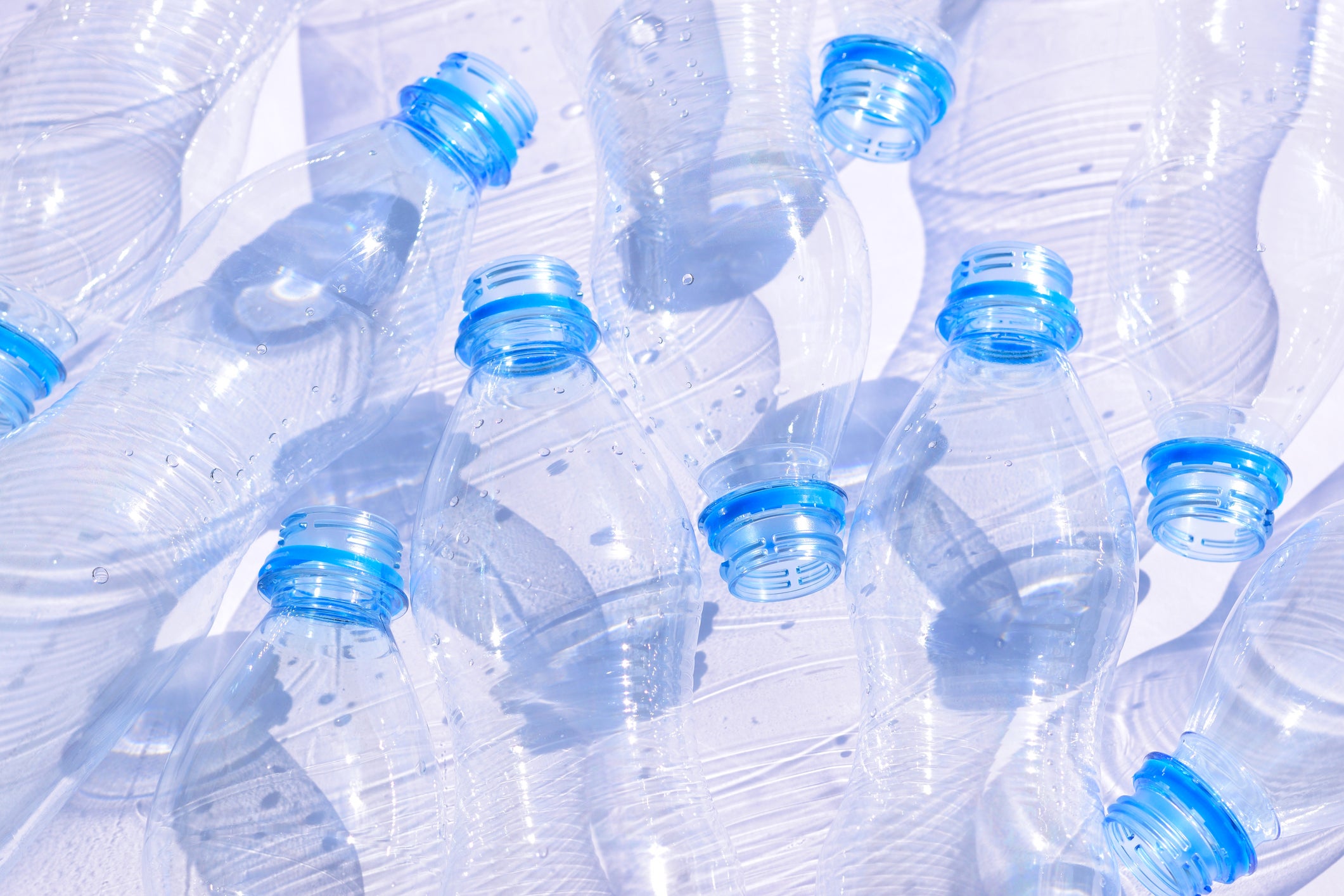
(Photo: Ilona Nagy / Getty Images)
Plastic waste is destructive to the planet and all its inhabitants. But how can you reduce the use of plastic when containers, wrappers, and other plastic stuff surround us every day? “I encourage people to think of what they can do and not get discouraged by what they can’t do,” says activist Sandra Ann Harris, author of Say Goodbye to Plastic and founder of ECOlunchbox.
Plastic is so pervasive that it’s nearly impossible to live 100-percent plastic-free, but you can significantly reduce the plastic imprint on your own life and the planet. Harris likens the journey to a GPS in your car: It points you in the right direction and helps you get closer to your destination. “It isn’t about perfection,” she says. “It’s about always trying to make the best choice you can in the moment.”
Some Sad Plastic Facts
- The plastic produced worldwide each year weighs 300 million tons—the same as the weight of the entire human population.
- 91 percent of plastic is not recycled.
- The single-use baggies used worldwide in just one year, if joined end to end, would encircle the earth 4,200 times.
- At the rate we’re going, the plastic in our oceans will weigh more than the fish by 2050.
How to Reduce Plastic Use
Harris recommends a gradual approach:
- Be mindful of the plastics that you’re using.
- Identify any simple things you can swap out, such as using glass or stainless-steel containers with silicone lids to store food, a reusable bag for groceries, or reusable utensils for take-out food you eat at home.
- For a bigger purge, work on one room at a time. Let’s say you attack the bathroom. Step by step, switch to a bamboo toothbrush; floss made from biodegradable silk; toothpaste and mouthwash tablets; and soap, shampoo, and conditioner in bars rather than plastic bottles. Experiment to find your favorites.
Don’t Forget About ‘Hidden Plastic’
Styrofoam is an obvious no-no, but paper coffee cups and food containers aren’t as eco-friendly as you might think. The insides of both are typically coated with plastic to prevent liquid from seeping through. And recycling facilities aren’t equipped to handle these combined materials, says Harris.
While there is research in progress to develop compostable coatings for paper coffee cups, and there are efforts to improve recycling, the problem has not been solved. In the meantime, try these alternatives:
- For beverages, use your own reusable cup, unless pandemic health rules prohibit it.
- For take-out food, bring your own glass or stainless-steel container with a silicone lid.
In the case of take-out food that is priced by weight, ask the store to weigh your empty container and give you a sticker or note with the tare (pronounced like “tear” when it means “rip”). The tare is the weight of the empty container, which should be deducted so that you’re charged only for the food.
ADVERTISEMENT
The move toward plastic-free living can take some work, says Harris, “but it can be a very joyful journey and a creative effort.”
RELATED: The Best Vegan Ice Creams in Your Supermarket’s Freezer Section
Get more of what you love from VT. Follow us on Instagram, Facebook, and Twitter, and sign up for our email newsletters.