Published January 20, 2012 11:10AM
Humane Matters: Q&A with Wayne Pacelle
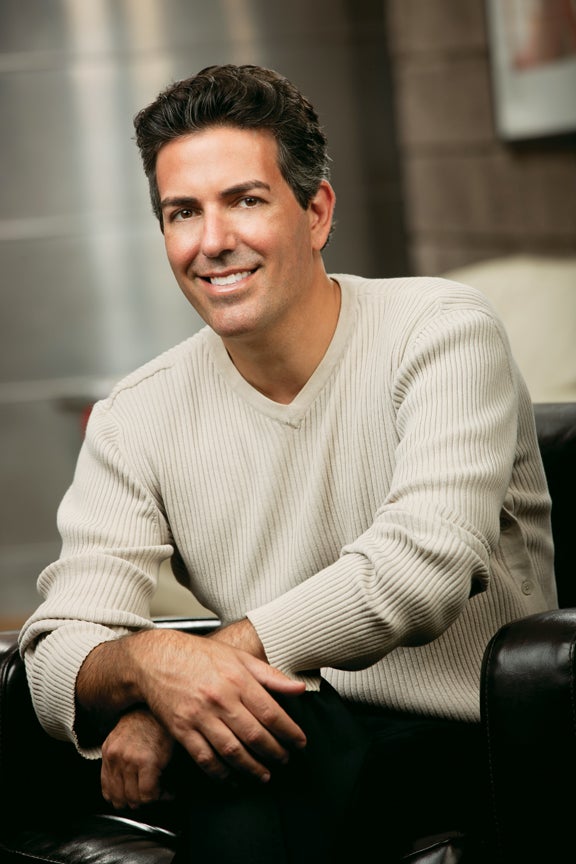
During his 17 years with The Humane Society of the United States, including seven as president and CEO, Wayne Pacelle has played a leading role in transforming The HSUS, the nations largest animal protection charity, into a dynamic public force and voice for all animals. Taking a special interest in law reform, he has been the leading strategist for more than a score of successful ballot initiatives that outlawed cockfighting, cruel factory farming practices, bear baiting, negligent puppy mill operations and a host of other inhumane practices. Pacelle has been profiled in The New York Times, The Wall Street Journal, The Washington Post and The Los Angeles Times, and has appeared on almost all of the major network television programsfrom 60 Minutes to the News Hour with Jim Lehrer. He is the author of the forthcoming book The Bond: Our Kinship with Animals; Our Call to Defend Them, which will be published by William Morrow in April 2011. In 2008, The Los Angeles Times reported, Pacelle has retooled a venerable organization seen as a mild-mannered protector of dogs and cats into an aggressive interest group flexing muscle in state legislatures and courtrooms. Pacelle was named one of NonProfit Times Executives of the Year in 2005 for his leadership in responding to the Hurricane Katrina crisis. Pacelle received his B.A. in History and Studies in the Environment from Yale University in 1987.
Long before becoming president and CEO at the Humane Society of the United States in 2004, Wayne Pacelle went vegan. â??I didnt want to contribute to the killing of animals for my palate preference,â? says the author of the newly published book The Bond: Our Kinship with Animals, Our Call to Defend Them. Pacelle spoke to VT from his Washington office.
Q In The Bond, you propose a â??humane economy.â? What does that mean?
A It means theres no confl ict between economic progress and compassionate treatment of animals. Killing animals, consuming them, and using their hides are 19th-century approaches. Wildlife watching, for example, is more productive than hunting, and generates billions of dollars in places like Kenya.
Q Your book claims that our primal connection to animals is broken, but notes we spend $100 billion a year on pets and wildlife. Isnt that a huge disconnect?
A A major thesis of the book is that we have confl icting attitudes. We profess our love and affection toward animals, but confi ne them to factory farms, raise dogs in puppy mills, and club seals for their fur. The use of animals is so ingrained in our culture, and human beings have an incredible capacity to rationalize or excuse conduct. We have all sorts of moral problems surrounding this, but we also have moral opportunities, opportunities to do good, because we confront these problems every day.
Q What can each of us do to â??repair our relationship with animals,â? as you urge us in The Bond?
A The book ends with 50 things you can do. Theres no category of animal exploitation bigger than food production: whether you go vegetarian or vegan, reduce consumption, or stop buying products from factory farms, everyone can do something.